
Real classrooms need flexible tools. Here’s how CommonLit 360 was built to meet students and teachers exactly where they are.
Screen fatigue is a real and growing challenge in today’s classrooms. Students are navigating more digital tools than ever, and teachers are feeling the pressure to balance meaningful technology use with engaging instruction.
CommonLit 360 was built with that reality in mind. From the start, our curriculum was designed by educators who understood that flexible, evidence-based instruction requires more than one format. CommonLit 360 gives teachers a seamless blend of print and digital materials so they can make the right instructional call every day, for every student. And because learning is fundamentally social, the curriculum is designed with collaboration at its core, with built-in discussion opportunities that encourage students to engage with and learn from each other.
Technology in the classroom is a tool, not a destination
How students learn to read, comprehend complex texts, and develop as writers hasn’t changed because the medium has. The body of research that is the science of reading is clear: students need explicit instruction, repeated exposure to rich texts, and carefully scaffolded practice to build lasting literacy skills.
That’s the foundation CommonLit 360 is built on. Every lesson, every text selection, and every scaffolded support reflects current research and best practices in literacy education. Our curriculum is designed around what works for students, and structured to make it easier for teachers to deliver that instruction with confidence, whether they’re working digitally or in print.
Screen fatigue is real and we take it seriously
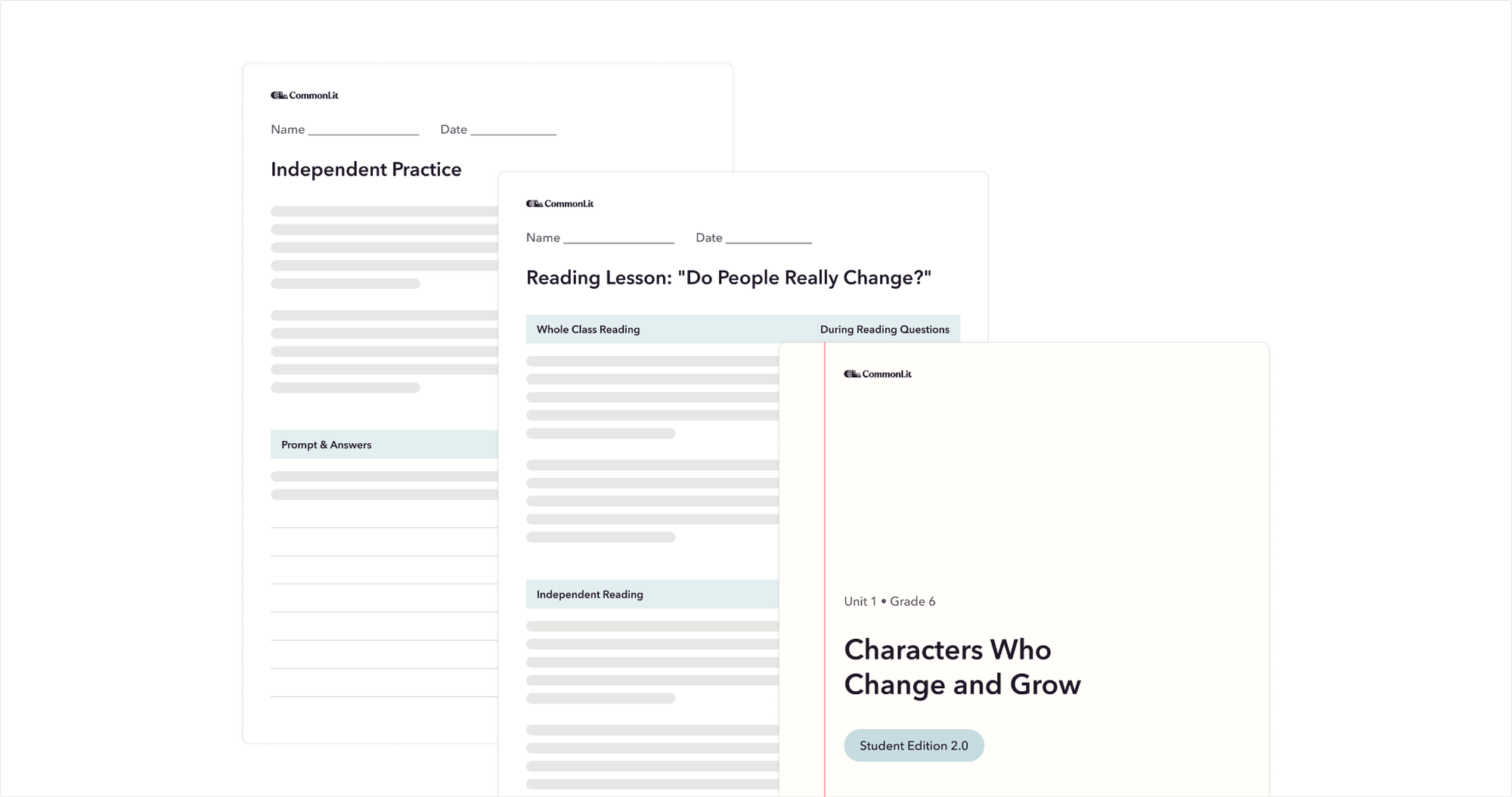
We hear this from teachers constantly, and we built CommonLit 360 with that feedback in mind. CommonLit 360 offers downloadable lessons for all users and optional print workbooks for Core and Elevate partners to use alongside our digital program. Here’s how print and digital work together:
- Downloadable lessons and printed workbooks can give students a screen-free reading and writing experience, reducing cognitive overload and supporting focus during independent or small-group work.
- Digital supports provide students with Read Aloud, side-by-side translation, and scaffolds embedded into the text.
- Digital tools for educators such as auto-grading and rostering & LMS integrations save planning and set-up time.
- Flexible lesson delivery means teachers can assign the same lesson in print one day and digitally the next, without losing continuity or rigor.
Engaging students in classroom discussions
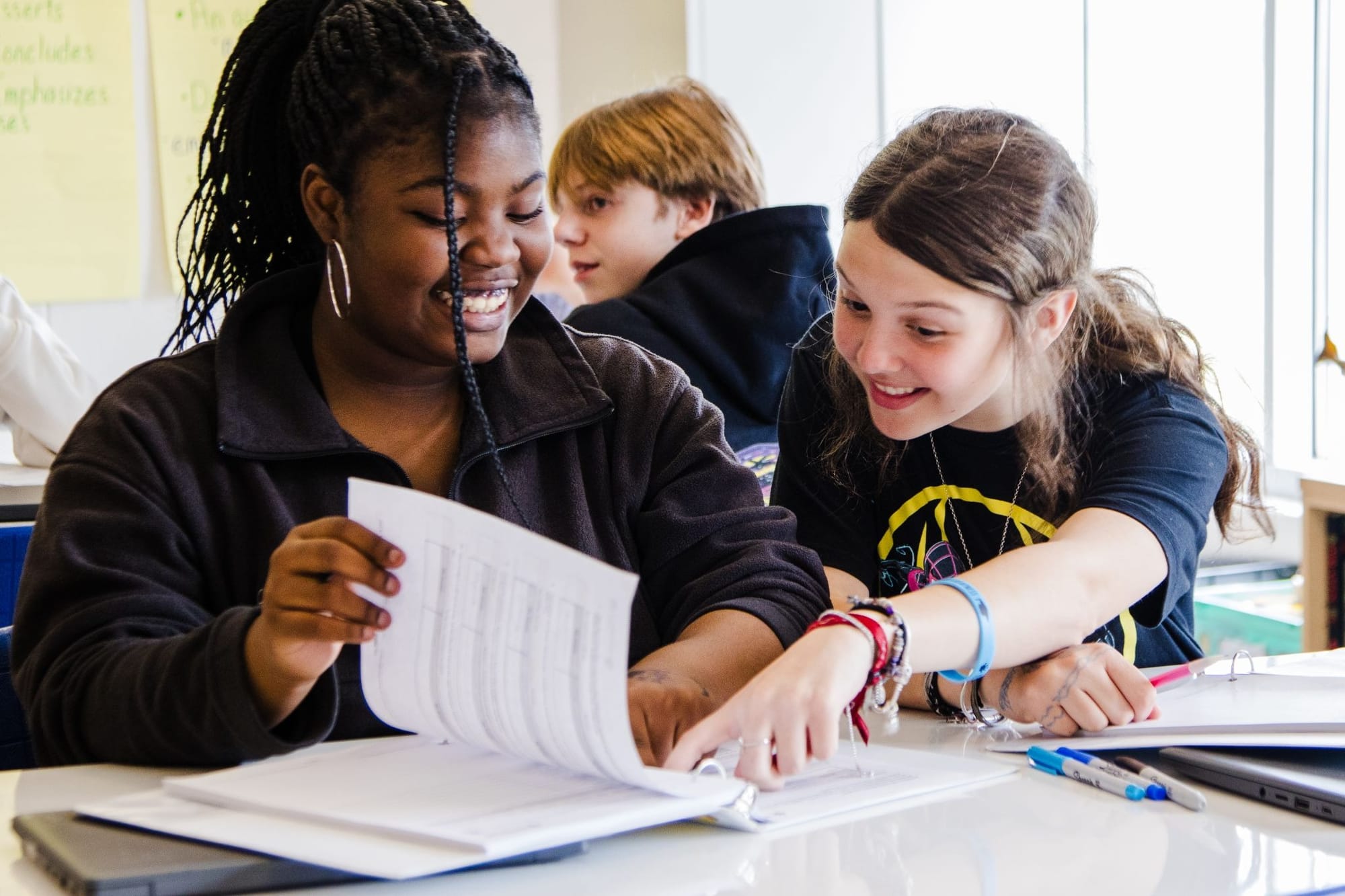
At CommonLit, we believe that learning is fundamentally social. This means built in time for students to engage directly with their peers. Speaking and listening are foundational pillars of ELA. When students discuss texts with their peers, they deepen comprehension, build academic vocabulary, and practice the kind of collaborative thinking that carries across every subject.
CommonLit 360 builds this into the curriculum by design. Every unit includes dedicated discussion lessons that get students talking, both in whole-class conversations and structured partner discussions. These aren't add-ons or warm-up activities. They're core lessons, built around the same rigorous texts students are already reading, and designed to push thinking further through dialogue.
The bottom line
Students deserve a literacy curriculum that's grounded in research. CommonLit 360 was built by educators who believe that the right tools can change outcomes for kids. Whether teachers are working from our printed materials or our digital program, every material is evidence-based and built with real students in mind.
